Navigating Law Enforcement Interactions and Safety for Marylanders with Disabilities
Regency Ballroom

What resources are out there to make interactions between people with disabilities and law enforcement safer? This breakout session will examine some of the laws and practices implemented to increase positive outcomes for Marylanders with disabilities when they interact with law enforcement officers. You can also learn about helpful tools available around the state to improve general safety and combat incidents of wandering. Hear from subject matter experts on what resources are available right now, and how they are being improved for the future!
About the Presenters
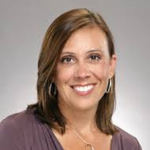
Elizabeth (Beth) Benevides leads the outreach efforts of the Hussman Institute for Autism. In her capacity as Associate Director for Autism Programs at the Hussman Foundation, and a longtime policy and educational advocate for individuals and families affected by autism and related developmental disabilities, Beth is highly connected to the disability community at a local and state level. She served as the longtime president of the Howard County Autism Society, an award-winning chapter of the Autism Society of America, and currently serves on several statewide workgroups devoted to programs, education, civil rights, and policy affecting those with autism. She is an advisory member of the Maryland Center for Developmental Disabilities at Kennedy Krieger Institute, one of a national network of University Centers for Excellence; an appointed member of the Maryland Department of Disabilities’ Ethan Saylor Alliance for Self-Advocates steering committee; and co-chair of the Commission for Transitioning Students with Disabilities in Howard County. Beth is a certified special education advocate and member of the Council of Parent Attorneys and Advocates (COPAA). She brings her passion as a parent of a teenage son with autism to her work.
Beth holds a BA in English from the University of Maryland, Baltimore County, and formerly enjoyed a 20-year career in scholarly publishing.
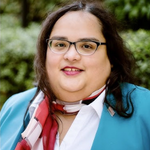
Victoria M. Rodríguez-Roldán, J.D., is a nationally known openly trans and autistic self-advocate and proud Baltimore City resident. She has over a decade of experience in the government and non-profit sector, having started in disability discrimination enforcement at the U.S. Department of Labor. Later, she found the Disability Justice Project at the National LGBTQ Task Force, the first national effort dedicated to LGBTQ people with disabilities, with a special focus on both mental health and IDD – both populations in which LGBTQ people are historically underrepresented.
She has worked extensively in matters impacting marginalized communities in various organizations, and has been published in legal journals on the intersections of developmental disability and LGBTQ identity. She is a chapter author of the book “Sincerely, Your Autistic Child.”
Before being appointed by Gov. Moore to be Maryland’s Coordinator of Autism Strategy, she chaired the board of the Autistic Self Advocacy Network during a multi-year period of dynamic transition for the organization, and sat as a member of the Autistic Women and Non-Binary Network. She holds a law degree from the University of Maine School of Law, and an undergraduate degree in Psychology from the University of Puerto Rico.
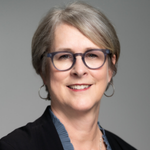
Melissa Rosenberg is a nonprofit leader with more than 25 years of experience in grant writing, fundraising, community outreach, and organizational management. She joined the Autism Society of Maryland (formerly the Howard County Autism Society) as Executive Director in November 2016.
In her role, Melissa collaborates with the board, volunteers, and community partners to advance the organization’s mission—promoting meaningful employment, independent living, quality education, social connection, inclusion, and acceptance for Autistic individuals and their families.
Melissa previously served as Director of Development for Joe’s Movement Emporium in Prince George’s County and as both Director of Development and Executive Director at the Columbia Center for Theatrical Arts. Through her consulting firm, The Resource Collective, she supported nonprofits in the arts, youth development, community engagement, and therapeutic services.
She holds a bachelor’s degree in Journalism from the University of Maryland and a master’s degree in Nonprofit Management from the University of Maryland University College. A 2013 graduate of Leadership Howard County, Melissa serves on the boards of the Local Children’s Board (Howard County), Columbia Center for Theatrical Arts, and is a past board member of the Howard County Association of Community Services. She serves on the Maryland Advisory Stakeholder Group on Autism-Related Needs.
Melissa lives in Silver Spring, MD, with her husband, Jim. They have two grown children, a granddaughter, and a family member with Autism.
Smart Home Tech for Your Independence
Tiffany Ballroom

Technology is transforming the way we live, and it is opening new doors for adults with intellectual and developmental disabilities in their homes! This session explores how smart technology can be used to promote independence, safety, and quality of life for residents. Learn about a range of practical tools, from voice-activated assistants and smart home devices to medication reminders, remote monitoring systems, and communication apps. Presenters will share real-world examples of how these technologies are being successfully implemented in group homes, along with lessons learned, challenges to consider (including privacy, cost, and accessibility), and strategies for getting started.
About the Presenter
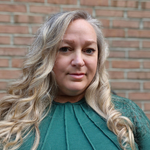
Allis Kensing is the Enabling Technology Manager at Penn-Mar Human Services, where she leads the Empowering Technology Initiative to expand digital literacy, build tech confidence, and increase access to inclusive technology for people with disabilities and the teams who support them. With deep experience in the intellectual and developmental disabilities field, Allis takes a person-centered approach to identifying assistive technology solutions that align with each person’s goals, preferences, and independence. She oversees Penn-Mar’s Assistive Technology Lending Library, secures grant funding to advance smart home and assistive technology education initiatives, and actively collaborates with national communities of practice, including Technology First networks, to help shape the future of inclusive technology.
Getting Friendly with Artificial Intelligence
Amphitheater
Join The Arc of Frederick County for a fun, interactive training on how Artificial Intelligence can be safely used by people served, families, and Direct Support Professionals to reach goals at home, work, and in the community. A focus of Artificial Intelligence has been on how it can support the administrative side of the business sector. Learn the person-centered side of accessing this tool for ongoing success!
About the Presenter
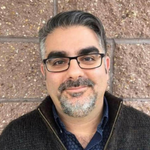
Aaron Stephens serves as the Director of Strategic Initiatives with The Arc of Frederick County. He has over 30 years of personal and professional experience navigating systems, organizing communities, and advocating for the rights of people with intellectual and developmental disabilities, with a forward vision to promote full inclusion.